

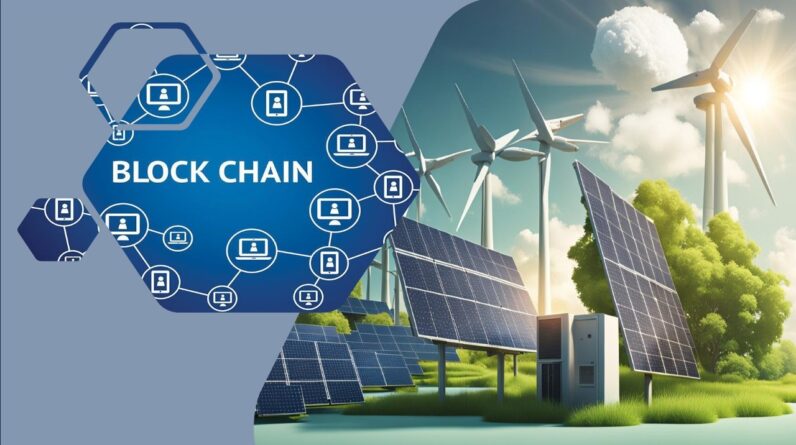
The global energy industry is undergoing a radical transformation — and blockchain technology is at the center of it. Once synonymous with cryptocurrencies, blockchain is now disrupting the energy sector, enabling decentralized power trading, transparent transactions, and smarter energy management. In 2025, the fusion of renewable energy and blockchain innovation is paving the way for a cleaner, more democratic, and efficient energy ecosystem.
1. The Need for Change in the Energy Market
For decades, the global energy market has been dominated by centralized systems where a few major utilities control power production and pricing. However, this model often leads to inefficiencies, higher costs, and limited access for consumers. As climate change and energy demand surge, there’s an urgent need for transparent and sustainable solutions. This is where blockchain-based energy trading comes in — offering a decentralized, secure, and traceable method of energy exchange.
2. What Is Blockchain Energy Trading?
Blockchain energy trading refers to a peer-to-peer (P2P) energy exchange system that allows producers and consumers to trade electricity directly without intermediaries. Through smart contracts, energy buyers and sellers can execute secure transactions instantly. This not only reduces costs but also improves trust, since all trades are recorded on an immutable digital ledger.
3. How Blockchain Enables Decentralized Power Markets
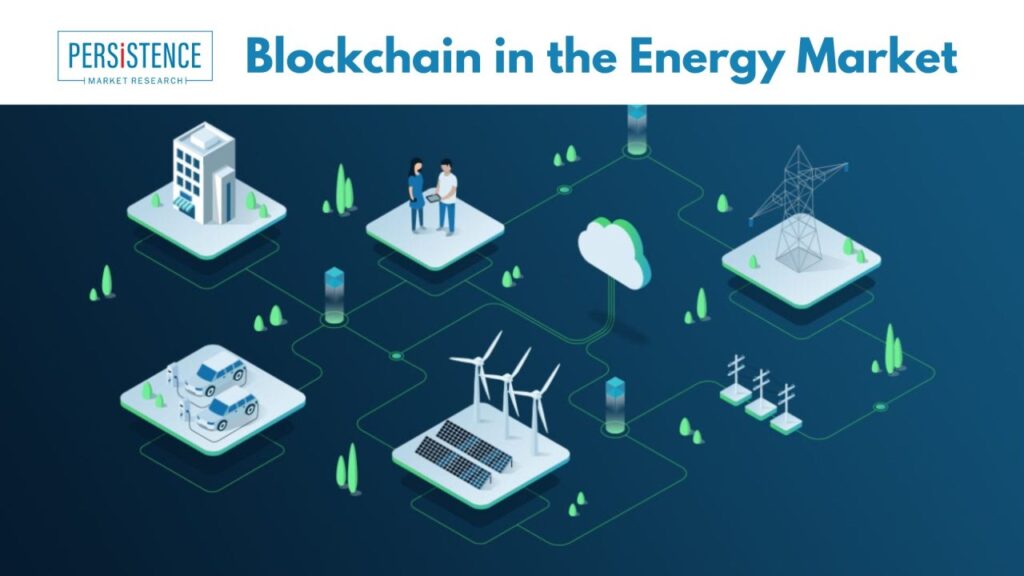
Blockchain allows individuals, businesses, and communities with solar panels or wind turbines to sell excess electricity directly to others in their network. Each energy transaction is verified and recorded transparently. For example, in Australia and Germany, pilot blockchain projects allow households to sell surplus solar energy to neighbors using real-time smart contracts, proving that decentralized energy trading is not just theoretical — it’s happening now.
4. Benefits of Blockchain in Energy Management
The advantages of integrating blockchain into the energy grid are vast. It enhances efficiency, transparency, and security while significantly reducing operational costs. Consumers gain control over where their energy comes from, ensuring traceable green energy consumption. Moreover, blockchain supports dynamic pricing models, enabling users to buy power when rates are lowest and sell when demand peaks — maximizing both sustainability and profitability.
5. The Role of Smart Contracts and IoT
Smart contracts — self-executing agreements coded on the blockchain — automate the process of energy exchange. When integrated with Internet of Things (IoT) devices like smart meters, these contracts can instantly record energy production and consumption data. This synergy creates a real-time digital energy ecosystem, where transactions are executed automatically, minimizing human error and optimizing grid performance.
6. Blockchain and Renewable Energy Integration
The rise of renewable energy such as solar and wind power fits perfectly with blockchain’s decentralized model. Unlike fossil fuels, renewable sources are generated locally and intermittently, requiring flexible trading systems. Blockchain ensures that every kilowatt-hour (kWh) of green energy is verified, traceable, and tradable — supporting sustainability goals while encouraging consumers to invest in renewable generation.
7. Global Adoption and Pilot Projects
Countries around the world are experimenting with blockchain-powered energy trading. The Brooklyn Microgrid Project in the U.S. allows local residents to buy and sell solar energy directly using blockchain. In Europe, companies like Power Ledger, WePower, and LO3 Energy are developing decentralized trading platforms to make clean energy markets more accessible and efficient. These projects showcase the potential for blockchain to completely reshape how energy is bought, sold, and distributed globally.
8. Overcoming Challenges in Implementation
While promising, blockchain energy trading still faces challenges — including regulatory hurdles, infrastructure limitations, and scalability issues. Governments and utilities must collaborate to develop frameworks that support digital transactions and protect consumer data. However, as energy digitalization accelerates, these barriers are being systematically addressed through international cooperation and green tech investments.
9. The Financial Impact and Future of Energy Markets
The integration of blockchain in energy markets is not only technological but also financial. Investors are increasingly eyeing blockchain energy startups as high-growth opportunities. With the global decentralized energy market projected to exceed $100 billion by 2030, this technology is redefining how we value and exchange power. In the near future, every home could become both an energy producer and trader, creating a prosumer-driven energy economy.
10. Conclusion: A Decentralized Future for Clean Energy
In conclusion, blockchain is revolutionizing the energy sector by democratizing power production and trading. Through decentralized systems, smart contracts, and IoT integration, blockchain ensures transparency, lowers costs, and empowers consumers to control their energy future. As global adoption grows, blockchain will not only make energy systems more efficient but also accelerate the shift toward a sustainable, carbon-neutral world. The future of power is decentralized — and blockchain is lighting the way.