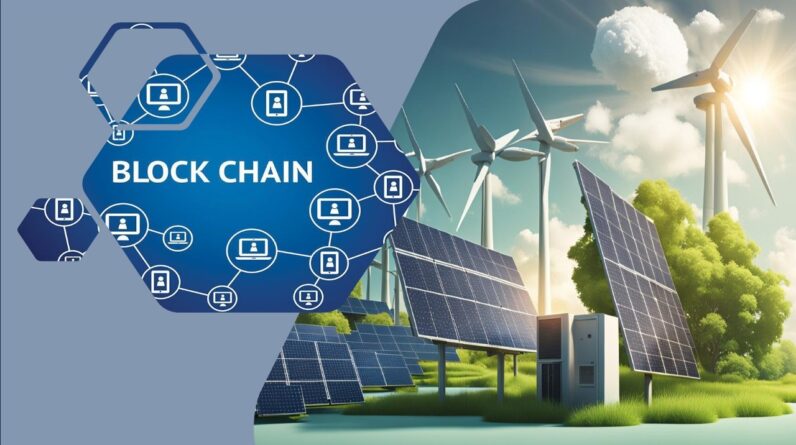


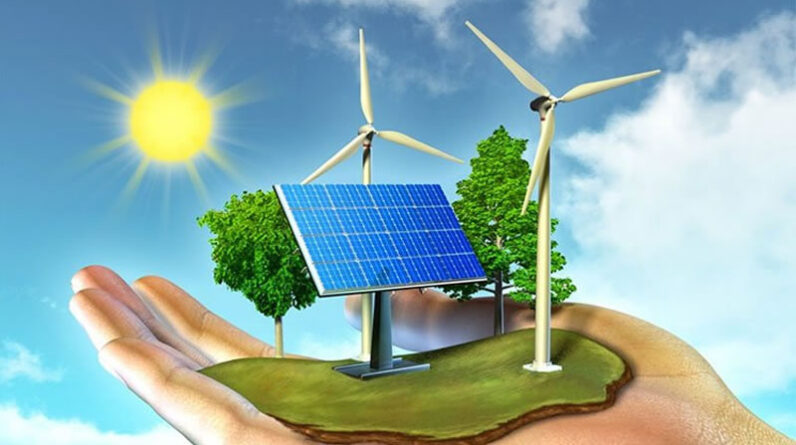
As the world transitions toward sustainability, renewable energy has become one of the fastest-growing industries in 2025. Rising global demand, climate change regulations, and technological advancements have positioned solar power, wind energy, and green hydrogen as the cornerstones of a cleaner, smarter future. Governments and corporations are investing billions into energy innovation, signaling that the shift to renewables is no longer optional — it’s inevitable.
1. The Global Push Toward Clean Energy
In 2025, nations are accelerating efforts to achieve net-zero carbon emissions by mid-century. The International Energy Agency (IEA) reports record-breaking growth in renewable energy investments, especially in solar photovoltaic (PV) and onshore wind projects. Tax incentives, carbon credits, and stricter emission policies are propelling businesses and consumers to transition to cleaner sources of energy faster than ever before.
2. Solar Energy: The Brightest Star of the Future
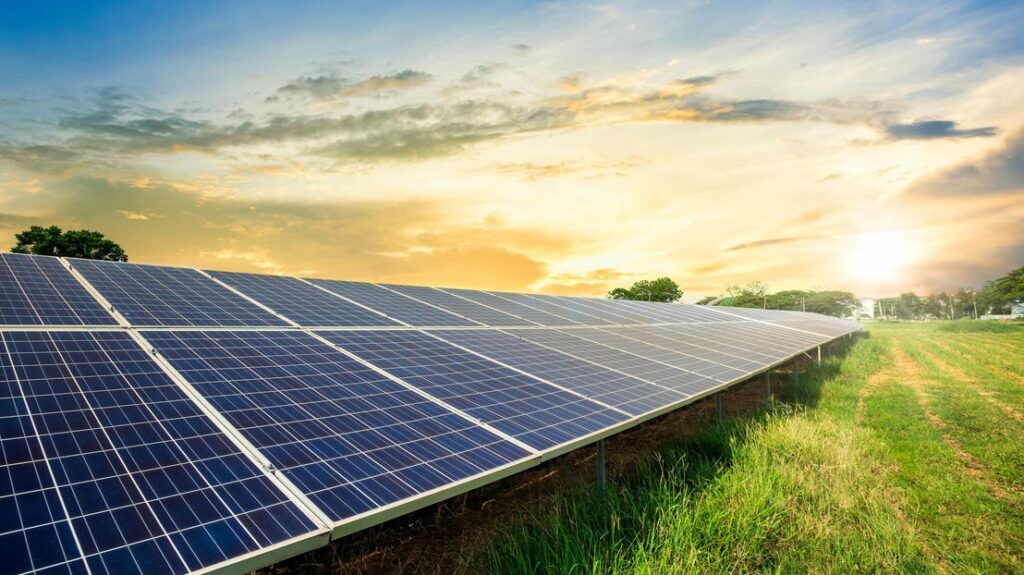
Solar energy remains the most cost-effective and scalable form of renewable power in 2025. Thanks to advancements in perovskite solar cells and bifacial panels, solar systems are now more efficient and affordable. Major markets like the United States, China, and India are seeing exponential growth in both rooftop and utility-scale solar installations, reducing dependence on fossil fuels and lowering electricity costs for millions.
3. Wind Power: A Driving Force in Global Electrification
Wind energy, both onshore and offshore, continues to dominate the renewable market. Offshore wind farms, particularly in Europe and East Asia, are expanding rapidly with the help of floating turbine technology. These turbines allow power generation in deep waters, opening new areas for development. With wind costs dropping by 60% over the past decade, this sector remains a strong player in the global energy transformation.
4. The Rise of Green Hydrogen
Beyond solar and wind, green hydrogen has emerged as a game-changer in 2025. Produced through electrolysis powered by renewable energy, hydrogen provides a clean alternative to natural gas and coal. It can be used for transportation, heating, and industrial processes — all while emitting zero carbon. Governments in Japan, Germany, and the U.S. are heavily funding hydrogen projects, anticipating its critical role in a decarbonized economy.
5. Smart Grids and Energy Storage Solutions
The shift to renewable energy also demands intelligent infrastructure. Smart grids, combined with advanced battery storage systems, ensure energy reliability and flexibility. Technologies like lithium-ion and solid-state batteries now store surplus solar and wind power efficiently, reducing blackouts and stabilizing the power supply even in high-demand regions.
6. Artificial Intelligence and IoT in Energy Management
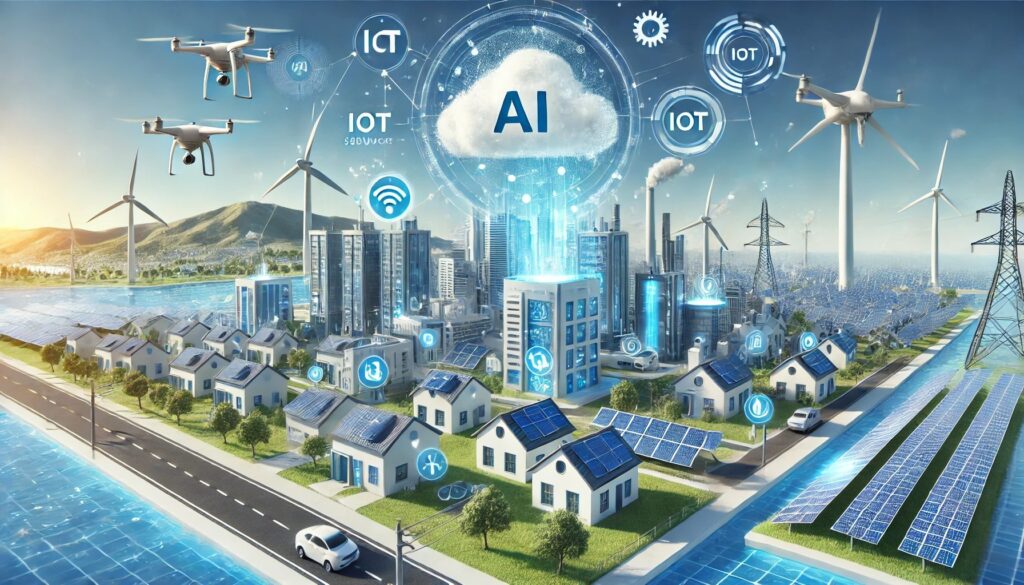
In 2025, Artificial Intelligence (AI) and the Internet of Things (IoT) are optimizing energy systems like never before. Predictive analytics, smart meters, and real-time monitoring allow utilities to forecast consumption patterns and optimize energy distribution. These digital innovations reduce waste, increase efficiency, and enhance sustainability across homes, cities, and industries.
7. Investment Opportunities in Renewable Energy
With the renewable energy sector growing at record speed, investors are looking at green assets as a stable, high-return opportunity. Stocks in solar energy companies, EV manufacturers, and clean tech startups are outperforming traditional oil and gas portfolios. In fact, 2025 marks a turning point where sustainable investments are not only ethical but also financially lucrative.
8. Challenges Ahead: Grid Integration and Policy Gaps
Despite progress, challenges remain. Many developing nations still lack the infrastructure to support large-scale renewable adoption. Policy gaps, inconsistent subsidies, and high initial costs slow down renewable deployment. However, international cooperation and private-sector innovation are gradually overcoming these barriers through public-private partnerships and sustainable financing initiatives.
9. The Road to a Carbon-Neutral Future
The future of renewable energy in 2025 is not just about technology — it’s about global collaboration. From corporate carbon pledges to government-backed sustainability plans, the movement toward clean energy is shaping a new economic model where innovation, environment, and profitability coexist.
10. Conclusion: A New Era of Energy Transformation
In conclusion, renewable energy in 2025 stands as the driving force behind a sustainable and economically strong future. Solar, wind, and green hydrogen are revolutionizing how we power our world — reducing emissions, lowering energy costs, and creating millions of jobs. As technology evolves and awareness grows, the renewable revolution is not just a possibility — it’s the new reality of global energy.